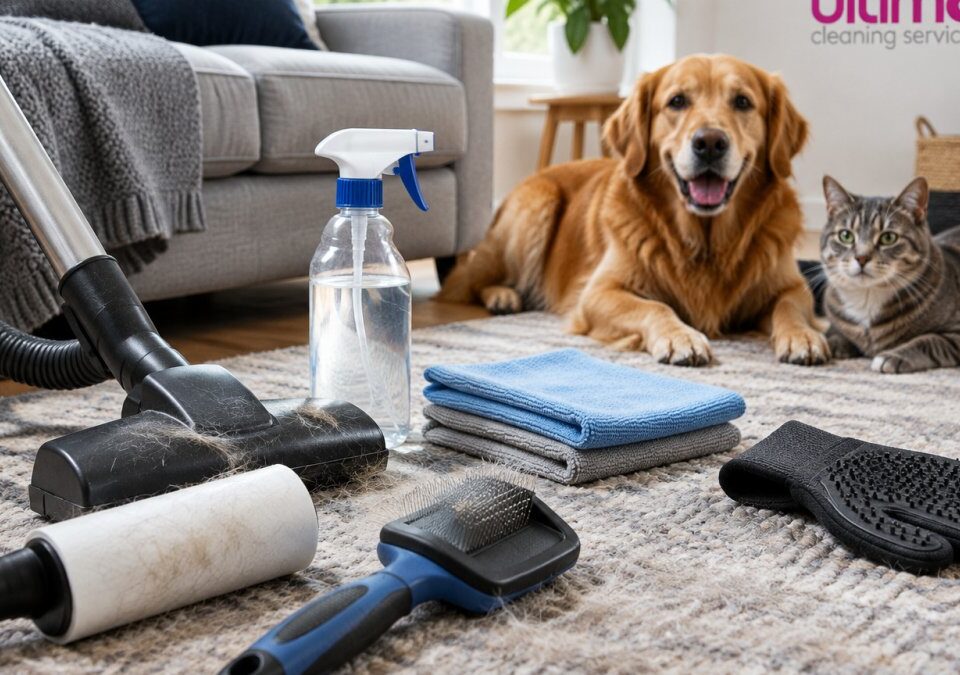

Deep Cleaning Checklist for Pet Hair Removal Room by Room
November 22, 2026
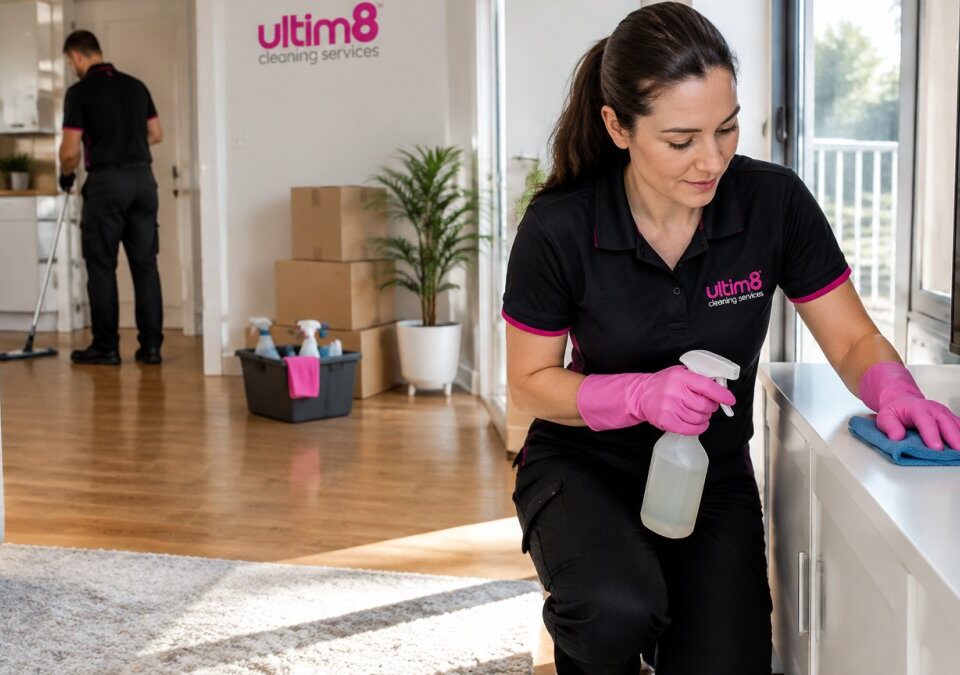
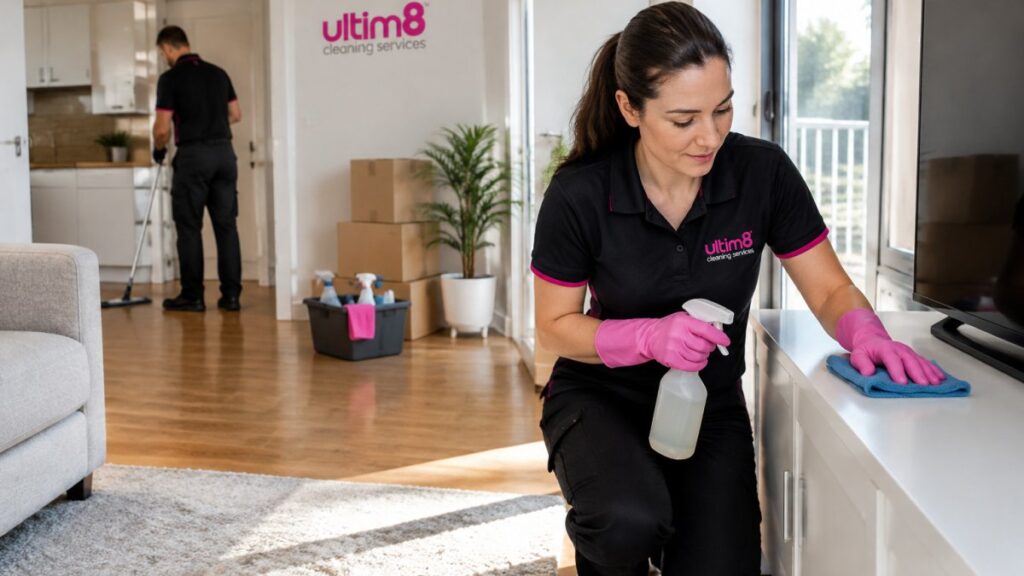
How to Choose a House Cleaning Schedule That Fits Your Life
November 23, 2026
Last Updated: November 12, 2026
Quick Summary
The best time to schedule a deep cleaning is whenever your household can be out of the way and your home is ready for a full reset, which usually means a weekday morning rather than a rushed weekend. Match the deep cleaning to your calendar instead of booking during the popular spring rush.
- Most homes do well with a deep cleaning every three to four months, with lighter routine cleans in between.
- Households with pets, allergies, or kids under five often benefit from a deep clean every two to three months.
- For a move, book the deep clean after your things are out and before the new owner or tenant arrives.
- Clear counters, secure pets, and put away valuables before the crew arrives; you do not need to clean first.
- Confirm the company carries insurance and ask for the quote in writing before you book.
Table of Contents
- Why Timing a Deep Cleaning Around Your Life Beats Picking a Season
- How Often to Deep Clean a House: A Simple Interval Guide
- Best Day of the Week and Time of Day to Book
- How Long Does a Deep Cleaning Take From Start to Finish
- Deep Cleaning Before Moving: Booking Around Your Closing Date
- Working Around Schedules, Caregiving, and Sudden Symptoms
- How to Prepare for a House Cleaner Before the First Visit
- Insurance, Benefits, and Cost Planning for Your Booking
- Frequently Asked Questions
Why Timing a Deep Cleaning Around Your Life Beats Picking a Season
Spring gets all the attention. American Cleaning Institute’s National Cleaning Week page notes that spring is the most popular time for deep cleaning.
The better approach is to match the deep cleaning to your calendar, not the calendar on the wall. A deep clean takes real time and real access.
Below, we break down how often to book, the best day and time, how long it runs, and how to plan around moves, kids, and work.
How Often to Deep Clean a House: A Simple Interval Guide
Most homes do well with a deep cleaning every three to four months, with a lighter routine clean in between. Households with pets, allergies, or young kids often benefit from one every two to three months. For a full breakdown by household type, see our guide on how often to deep clean your house.
Here is a simple interval guide:
- Every three to four months: standard homes with average foot traffic.
- Every two to three months: pets, allergies, or kids under five.
- Twice a year: single occupants or homes that stay closed up.
- Once, then recurring: after a move, renovation, or long vacancy.
The exact number matters less than consistency. A deep clean that happens on a predictable schedule keeps buildup from settling into grout, vents, and baseboards.
Match the interval to your household rather than the season.
| Household type | How often to deep clean |
|---|---|
| Standard homes with average foot traffic | Every three to four months |
| Pets, allergies, or kids under five | Every two to three months |
| Single occupants or homes that stay closed up | Twice a year |
| After a move, renovation, or long vacancy | Once, then recurring |
Best Day of the Week and Time of Day to Book
The best time to schedule a dental deep cleaning is usually a midweek morning, ideally Tuesday through Thursday, when dental offices have the most open chair time and you have the best chance of a longer appointment block. A deep cleaning (scaling and root planing) is not a quick recall visit; it often requires a longer slot and may be split across two appointments, so booking early in the week gives you room to reschedule if the dentist finds that one side needs more time than expected.
Why midweek mornings tend to work best
Most dental practices front-load their schedules with shorter hygiene visits on Mondays and Fridays. Those days fill first with routine cleanings, new-patient exams, and urgent calls that came in over the weekend. Midweek mornings are quieter, and the clinical team is more likely to have a full block available for a procedure that runs longer than a standard cleaning. A morning slot also means you are not competing with end-of-day fatigue, and if the dentist wants to check your gum response or review home care afterward, you are not rushing out to another commitment.
One visit versus two visits changes the timing
A deep cleaning may be completed in one longer appointment or divided into two visits, often one for each side of the mouth. If your dentist plans two visits, ask whether they prefer to schedule them close together or spaced apart. A common pattern is to book the second visit within a few weeks of the first so the treatment stays on track.
Watch out: don’t assume a routine cleaning slot will fit
If you book online and choose a standard cleaning appointment, the front desk may not have set aside enough time for scaling and root planing. Call the office, explain that the dentist recommended a deep cleaning, and ask for the correct appointment type. Booking the wrong slot can lead to a rescheduled visit and a longer wait.
How to pick the hour
- Morning: best for longer blocks and for patients who want the rest of the day free.
- Early afternoon: a reasonable second choice if mornings are full.
- Late afternoon: often the most congested; reserve it for follow-up visits rather than the first deep cleaning.
If you are anxious about dental visits, a morning appointment also gives you time to recover before evening. Ask whether the office offers any comfort options, and mention your concerns when you book so the team can plan accordingly.
How Long Does a Deep Cleaning Take From Start to Finish
A deep cleaning usually takes longer than a routine clean, and the time depends on size, condition, and how many cleaners are on site.
Plan for a block of time rather than a quick stop. The extra hours go into the details a routine clean skips: baseboards, vents, inside appliances, grout, and the spots behind furniture.
Two things change the clock:
- Condition: heavy buildup, pets, or a long gap since the last clean adds time.
- Access: clear counters and open rooms let the team move faster.
Book the deep clean on a day you do not need the house back by a set hour. Give yourself a buffer.
Deep Cleaning Before Moving: Booking Around Your Closing Date
For a move, book the deep clean for the gap between your final walk-through and the handover. That window is usually a day or two after you have moved your things out and before the new owner or tenant arrives. If you are renting, line it up with your move-out inspection.
Timing matters here. Book too early and dust from moving boxes undoes the work. Book too late and you miss your deadline. If you are planning a move-out clean, our step-by-step move-out cleaning guide walks through the timing around your closing date.
Working Around Schedules, Caregiving, and Sudden Symptoms
A dental deep cleaning fits into real life only when you plan the logistics before the appointment, not after. The procedure can take longer than a routine cleaning, may involve local anesthesia, and can leave your gums tender for a few days. That means the best time to schedule is often a day when you can protect a longer block and do not need to rush back to work or caregiving duties.
Work and school
If you work, a midweek morning appointment is usually easier to protect than a late-afternoon slot that can run into meetings or school pickup. Ask the office how long to expect for your specific treatment plan, then add a buffer. If you are scheduling around school, avoid the first day of a new semester or a day with a major exam, and consider whether a second visit will be needed. For patients who cannot take a full day, ask whether the dentist can split treatment into shorter visits.
Caregiving
If you care for children or an older adult, arrange coverage for the appointment and the hours after. Local anesthesia can make eating and drinking feel different for a few hours, and gum tenderness may make you less comfortable handling routine tasks. Book when another adult can be home, or choose a morning slot so you have the afternoon to recover. Tell the office about any caregiving constraints when you schedule so they can help you pick a realistic appointment length.
Sudden symptoms: when to call instead of waiting
A deep cleaning is usually planned, not urgent. But some symptoms should prompt a call to the dentist rather than a wait for the next available routine slot. Contact the office promptly if you notice:
- Gums that bleed heavily or without provocation
- Persistent bad breath or a bad taste that does not improve with brushing
- A loose tooth or a tooth that feels like it has shifted
- Swelling, pain, or pus around the gums
- Fever with gum pain
These signs can point to an active infection or advanced periodontal disease, and the dentist may want to see you sooner. Do not assume you must wait for a previously scheduled cleaning date.
Recovery and the days after
Most people return to normal activities after a deep cleaning, but gums can be sore and sensitive for a few days. Plan softer foods and avoid very hot or spicy meals immediately after the appointment. If you smoke, ask the dentist for guidance on timing, since smoking can affect healing. Schedule the deep cleaning when you are not traveling or facing a demanding week, and keep the follow-up visit on the calendar.
Watch out: don’t reschedule the follow-up
The follow-up appointment is part of the treatment, not an optional extra. Skipping it can mean the dentist cannot check how your gums are healing or whether maintenance is needed sooner. Book it before you leave the office.
How to Prepare for a House Cleaner Before the First Visit
Preparation is simple: clear surfaces, secure personal items, and point out anything that needs special care. Our guide on how to prepare your home for professional cleaners covers the full checklist.
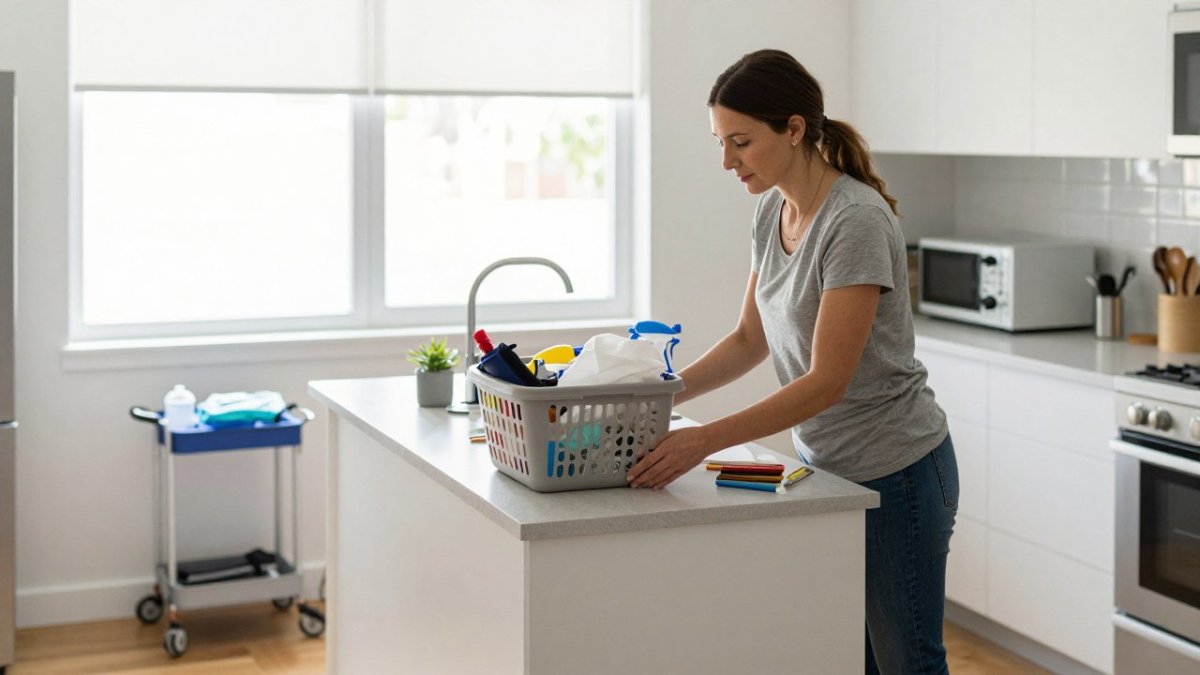
Clear counters, tables, and floors of clutter.
- Put away valuables, papers, and medications.
- Secure pets in a quiet room or take them out.
- Note any fragile items or areas to skip.
- Set out any products you want used.
That is it. You do not need to clean before the cleaners come. Just clear the way.
Insurance, Benefits, and Cost Planning for Your Booking
Plan your budget before you book, not after. Pricing for a deep clean depends on home size, condition, and the scope of work, so ask for a quote rather than guessing. For a sense of what a booking runs, see our residential cleaning pricing guide.
A few money points worth checking:
- Insurance: confirm the company carries insurance before anyone enters your home. Our guide on verifying a cleaner’s license and insurance shows what to ask for.
Ask for the quote in writing. A clear price up front avoids surprises.
A deep clean works best when it fits your week, not the other way around. At Ultim8 Cleaning Services, we make that easy with insured, background-checked cleaners, environmentally safe products, and instant online booking.
Frequently Asked Questions
When is the best time to schedule a deep cleaning for your home?
For most households, a weekday morning or early afternoon gives the crew the most room to work and leaves your evening free. Pick a day when the house is quiet: kids at school, no work calls, no deliveries. If your schedule is tight, book the first slot of the day so the deep cleaning finishes before you need the kitchen or home office back. Popular seasons can fill quickly, so book ahead if you want a specific date.
How far in advance should you book a deep cleaning?
Book as early as you can, especially if you need a specific weekend, holiday week, or move-out date that lines up with a closing. Contact Ultim8 Cleaning Services through our website to check current availability.
Should you schedule a deep cleaning before or after a move?
A deep cleaning before moving means you unpack into a spotless space, and one after you move out can help you meet lease or sale expectations. When timing a move-out clean, aim for the period after the last box leaves and before the final walkthrough, when the empty rooms are easiest to reach.
How should you prepare for a house cleaner on the first visit?
Clear floors and countertops of personal items, secure pets, and put away valuables and paperwork. Point out any problem areas that need extra attention before the cleaners begin.