How to Vet Residential Cleaning Staff: A 7-Step Guide
October 15, 2026
Table of Contents
- What Is the Average Cost of House Cleaning Services?
- House Cleaning Hourly Rates and Per-Cleaner Pricing
- Pricing by Cleaning Type: Standard, Deep, and Specialty Services
- House Cleaning Cost by Square Foot and Home Size
- How Long Does It Take to Clean a House?
- Weekly House Cleaning Cost and Recurring Service Discounts
- What Affects Your Final Cleaning Quote
- How to Evaluate Cleaning Quotes and Avoid Hidden Charges
- Frequently Asked Questions
Last Updated: October 15, 2026
What Is the Average Cost of House Cleaning Services?
When you call a cleaning company for a quote, the answer rarely comes in one clean number. The average cost of house cleaning services depends on what you’re asking for, where you live, and how much work your home actually needs. Most homeowners pay for standard residential cleaning, though that range shifts significantly based on your specific situation.
Understanding pricing upfront matters because it shapes your decision. You might find a quote that seems cheap until you realize it covers only the basics, surfaces wiped, floors swept, bathrooms surface-cleaned. Or you might see a higher number and wonder if you’re overpaying for services you don’t need.
At Ultim8 Cleaning Services, we’ve worked with hundreds of homeowners in the Tampa Bay area, and the first question is always the same: “How much is this actually going to cost?” That uncertainty is real. You’ve likely seen national companies advertise, but their pricing remains vague until someone shows up at your door.
House Cleaning Hourly Rates and Per-Cleaner Pricing
Most professional cleaning services charge one of two ways: by the hour or by the visit. Understanding the difference matters because it changes how you budget and what you should expect.
Hourly rates for professional cleaners depend on experience, location, and whether you’re hiring an independent cleaner or a company. A single cleaner working alone costs less per hour than a team, but a team finishes faster, which can actually save you money on the total bill.
Per-visit pricing (also called flat-rate or per-job pricing) charges you a single fee for the entire cleaning, regardless of how long it takes. This approach works well if your home is consistently the same size and condition. You know exactly what you’ll pay each time.
Many cleaning companies use a hybrid: they charge per visit but adjust the price based on home size and service type. This gives you the certainty of a flat rate while accounting for the actual work involved. When you request a quote, clarify which model the company uses and whether add-ons (like cleaning inside the oven or washing windows) cost extra.
Pricing by Cleaning Type: Standard, Deep, and Specialty Services
Not all cleaning is the same, and pricing reflects that. The type of service you need is often the biggest driver of your final cost.
Standard Cleaning Costs
Standard cleaning is the baseline. It includes vacuuming, dusting, wiping down surfaces, cleaning bathrooms (toilets, sinks, mirrors), and mopping floors. Think of it as maintaining a reasonably clean home. Standard cleaning varies by location and home size.
Standard cleaning assumes your home is already in decent shape, clutter is minimal, dishes are done, laundry is put away. If your home requires significant decluttering or deep scrubbing before the standard cleaning can even begin, expect to pay more or book a deep cleaning instead. The cleaner’s job is to clean, not to organize or deep-clean surfaces that haven’t been touched in months.
Deep Cleaning and Move-In/Move-Out Services
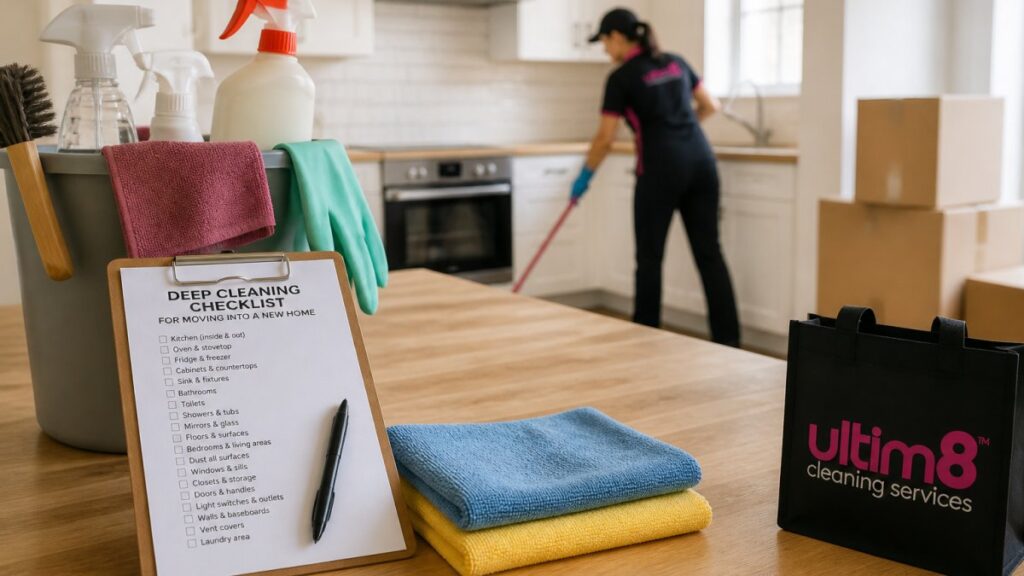
Deep cleaning goes beyond the standard routine. It includes cleaning inside appliances, baseboards, light fixtures, inside cabinets, and areas that don’t get touched during regular cleanings. Deep cleaning depends on home size and condition. It’s the service you want when you’re moving into a new place, preparing to sell your home, or recovering from a period where cleaning wasn’t a priority.
Move-in and move-out cleanings are specialized deep cleans. Move-in cleaning ensures your new home is truly fresh before you unpack. Move-out cleaning leaves your previous home spotless for the next tenant or owner. These services are thorough and time-intensive. If you’re renting, check your lease, some landlords require professional move-out cleaning, and some cleaning companies offer guarantees that satisfy those requirements.
House Cleaning Cost by Square Foot and Home Size
Home size is one of the most straightforward pricing factors. A 1,000-square-foot apartment takes less time than a 4,000-square-foot house, and that difference shows in the bill.
Most cleaning companies estimate time based on square footage. A rough benchmark is that professional cleaners can cover 1,000 to 1,500 square feet per hour, though this depends on the condition of the home and the complexity of the layout. A small, open apartment might take 2 to 3 hours.
When you request a quote, provide your home’s square footage and the number of bedrooms and bathrooms. A 2,000-square-foot, three-bedroom, two-bathroom home is a common reference point, and most cleaning guides use this as a baseline. If your home is significantly larger or smaller, your cost will scale accordingly.
Apartment cleaning typically costs less than house cleaning because apartments are smaller and have fewer complex areas (no exterior, fewer rooms, simpler layouts). If you’re in an apartment building, ask whether the company charges extra for elevator access or if there are restrictions on timing (some buildings limit service hours).
How Long Does It Take to Clean a House?
Timing matters for scheduling and for understanding whether a quote is reasonable. If a company quotes you 2 hours for a 3,000-square-foot home, that’s suspiciously fast. If they quote 10 hours, you’re either paying for a very thorough service or you’re being overcharged.
A standard cleaning of a 2,000-square-foot home typically takes 3 to 4 hours with one cleaner, or 1.5 to 2 hours with two cleaners. A deep cleaning of the same space might take 5 to 8 hours with one cleaner, or 3 to 4 hours with a team. These are estimates, actual time depends on how cluttered the home is, how many surfaces need attention, and the cleaner’s experience level.
When you’re home during the cleaning, the work might take slightly longer because the cleaner needs to navigate around you. Many homeowners prefer to leave during the service so the cleaner can work uninterrupted. If you work from home, discuss this with the cleaning company upfront. The best services can come in, do their work efficiently, and leave you undisturbed.
Weekly House Cleaning Cost and Recurring Service Discounts
Regular, recurring cleaning is often cheaper per visit than one-time cleanings because the work is more predictable and less intensive. If your home gets cleaned every week, it never gets very dirty, so each cleaning is faster and easier.
Weekly cleaning is often less per visit than the same service booked as a one-time cleaning. Biweekly (every two weeks) might also be less. Monthly cleanings usually don’t receive a significant discount because more time passes between visits, and the home gets dirtier. Some cleaning companies offer additional discounts if you commit to a longer contract.
The math often favors recurring service. But weekly cleaning means your home stays consistently clean, which many homeowners value enough to justify the higher total cost. The decision depends on your priorities and budget.
If you’re considering recurring service, ask about the company’s cancellation policy. Some require 30 days’ notice to stop service; others are more flexible. Also ask whether the discounted rate locks in or adjusts annually, you want to know what you’re committing to.
What Affects Your Final Cleaning Quote
Several factors beyond home size influence your final price. Understanding these helps you predict costs and evaluate whether a quote is fair.

Home Condition and Clutter Level
A home that’s been maintained regularly costs less to clean than one that’s been neglected. If your home has light clutter, minimal pet hair, and surfaces that are regularly wiped, the cleaning is straightforward. If your home has heavy clutter, pet hair everywhere, or surfaces that haven’t been touched in months, the cleaner will spend significantly more time.
Some companies charge extra for “excessive clutter” or “move-out condition” homes. Others build this into their estimate. When you request a quote, be honest about your home’s condition. If you know it needs deep work, say so. A cleaner who shows up expecting a standard clean and finds a cluttered, dirty home might rush through or charge additional fees.
Geographic Location and Local Labor Costs
Labor costs vary dramatically by region. A cleaner in a major metropolitan area costs more than one in a rural area, simply because the cost of living is higher. A company in Tampa Bay might charge differently than one in a smaller town nearby.
When you’re comparing quotes from different companies, account for location. If one company charges significantly less than others in your area, ask why. Sometimes it’s because they’re newer and building their customer base. Sometimes it’s because they cut corners. Sometimes it’s because they use less experienced cleaners. A quote that seems too cheap often reflects lower quality or less thorough work.
Add-On Services and Special Requests
Standard cleaning covers the basics. If you want extras, window cleaning, oven cleaning, carpet shampooing, pressure washing the deck, those cost more. Add-ons depend on the service and home size.
Some add-ons are worth booking regularly (like quarterly window cleaning). Others make sense as one-time services (like move-in deep cleaning). When you request a quote, ask which services are included in the standard price and which are extras. A company that bundles more into the standard price might look more expensive than one that nickel-and-dimes you with add-ons.
How to Evaluate Cleaning Quotes and Avoid Hidden Charges
When you get quotes from multiple companies, comparing them directly can be tricky because they’re structured differently. One might quote per visit, another by the hour.
First, request quotes using the same criteria for each company. Tell them your home’s square footage, number of bedrooms and bathrooms, current condition, and the specific services you want.
Second, ask about their minimum charge. Some companies won’t take a job unless it’s worth a certain amount of time or money.
Third, clarify the cancellation and rescheduling policy. What happens if you need to cancel? Can you reschedule for free, or is there a fee?
Fourth, ask whether the quote includes supplies and equipment. Some cleaners bring their own supplies; others expect you to provide cleaning products.
Fifth, check whether the company is insured. This protects you if something gets damaged during the cleaning. It’s not uncommon, and you want to know who’s liable.
Finally, read reviews and ask for references. A quote is just a number until you know the quality behind it.
The real cost of cleaning isn’t just the price per visit, it’s the price relative to the quality and reliability you receive. A company that shows up on time, cleans thoroughly, and respects your home is worth paying for.
Finding the right cleaning service means understanding what you’re actually paying for and why.
Frequently Asked Questions
How much should it cost to clean my house?
The average cost of house cleaning services varies based on home size, condition, and location. A 2,000-square-foot home typically costs for a single cleaning. Request quotes from multiple cleaning companies to see what applies in your area, as local labor costs significantly affect pricing. Professional cleaning companies often provide estimates based on your specific needs and home layout.
Is it cheaper to hire a cleaner weekly or monthly?
Weekly cleaning is typically cheaper per visit than monthly service because your home requires less intensive work between visits. However, your total monthly spending increases with weekly frequency. Many homeowners find weekly or biweekly cleaning more cost-effective long-term since it prevents buildup that requires deeper, more expensive cleaning. Ask your cleaning company about recurring-service discounts, most offer discounts when you commit to regular visits.
What factors affect the cost of house cleaning services?
Home size, cleaning type (standard vs. deep), location, home condition, and clutter level all influence the final price. Homes requiring move-in or move-out cleaning cost more than routine maintenance. Add-on services like window washing or carpet cleaning increase the total. Geographic location matters significantly, labor costs vary by region. A cleaner’s hourly rate depends on experience, location, and whether they work independently or for a company.
How long should it take to clean a 1,500-square-foot house?
A standard cleaning of a 1,500-square-foot home depends on clutter, number of bathrooms, and current condition. A deep clean of the same space may take longer. Time estimates help you understand the labor involved in your quote. If a cleaner or company quotes significantly less time, ask what services are included, faster estimates may mean fewer rooms or less detailed work. Professional cleaners work through detailed checklists to ensure consistency.