
How to Maintain a Clean Home Between Professional Visits
October 20, 2026
Table of Contents
- What Happens During Your First Recurring Cleaning Visit
- What Is Included in a Standard House Cleaning
- How Long Does a House Cleaning Take
- Recurring Cleaning Checklist: Your Weekly or Biweekly Routine
- How to Prepare for a House Cleaner
- Recurring Versus Deep Cleaning: What’s the Difference
- What Is Excluded From Standard Recurring Cleaning
- Quality Control and Consistency With Your Recurring Service
- Frequently Asked Questions
Last Updated: October 20, 2026
What Happens During Your First Recurring Cleaning Visit
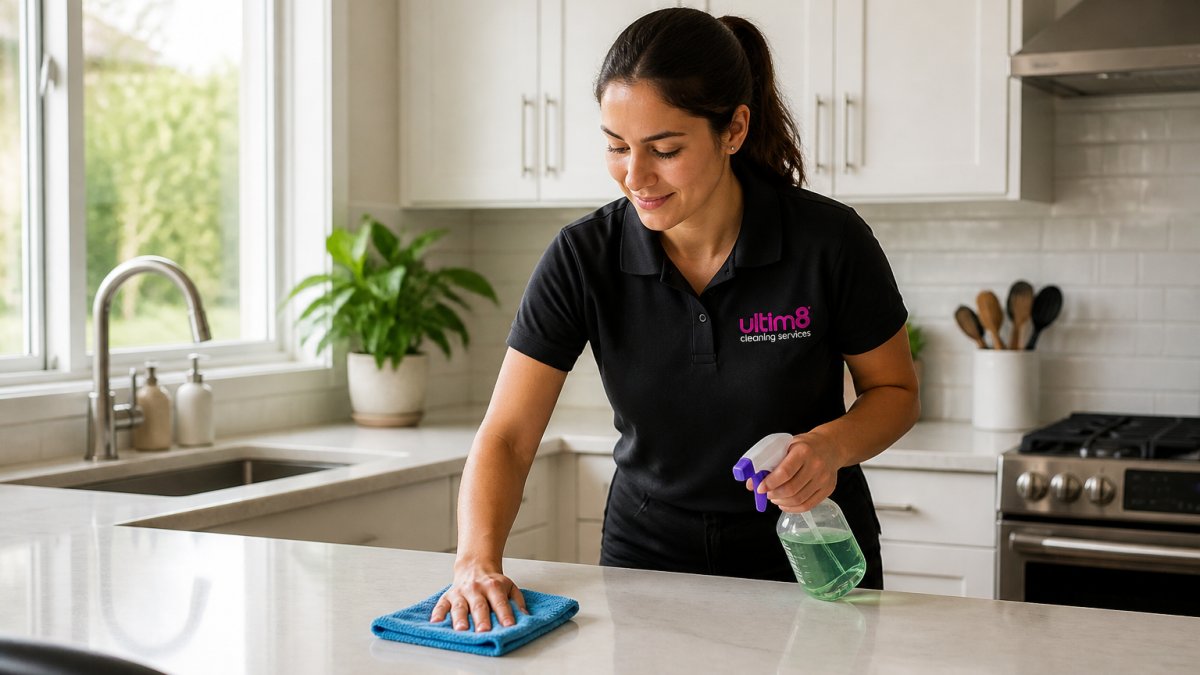
The first visit is not a normal recurring visit with a new face. It is a longer, more deliberate appointment where the cleaner builds a baseline for your home and a working file for every visit after it.
Before the cleaner arrives
You will usually get a confirmation window the day before, plus a text or app notification when the cleaner is en route. Expect a window rather than an exact time, because drive time between jobs varies. If you will not be home, arrange access in advance (lockbox code, door code, key handoff, or front-desk instruction) and tell the service which door to use and whether an alarm needs disarming.
The walkthrough (first 10 to 20 minutes)
The cleaner starts with a short walkthrough, not with cleaning. This is where you point out priorities and no-go zones. A useful walkthrough covers:
- Which rooms are in scope and which are off-limits
- Surfaces that need special care (stone counters, hardwood, antique furniture, brass fixtures)
- Pets and where they will be during the visit
- Where supplies and equipment are kept, and whether you want your products used
If you are not home, many services ask you to complete a short intake form or leave notes in the booking app. The cleaner also notes the starting condition so there is a record if anything is questioned later.
Room order and what gets done first
A common pattern is to work top-down and back-to-front: dust high surfaces first so debris falls onto floors that will be vacuumed later, then move through bedrooms and living areas, finish the kitchen and bathrooms, and vacuum and mop last. Bathrooms and kitchens usually get the most time because they carry the most sanitization work. The cleaner will also note which tasks take longer in your home, such as pet hair on upholstery or hard-water film on glass.
What the cleaner does before leaving
Before the cleaner leaves, expect a final walkthrough, a check that trash was emptied and bags replaced, lights turned off or left as requested, doors secured, and a note or app message summarizing anything skipped or needing attention. If something could not be completed, such as a locked closet or a pet in a room, you should hear about it the same day.
Leave a written priority list on the counter for the first visit. Cleaners read it during the walkthrough and it becomes the basis for your recurring checklist.
Why the first visit takes longer
The first appointment includes assessment, questions, and setup that later visits do not. If your home has buildup, the cleaner may spend most of the first visit on kitchens and bathrooms and less on secondary rooms. That is normal. The second and third visits are where the routine settles and timing becomes predictable.
What Is Included in a Standard House Cleaning
A standard house cleaning covers the core tasks that keep your home functional and hygienic. The exact scope depends on your plan, but most recurring cleaning services include the same foundational tasks.
Here’s what typically gets done:
- Dusting surfaces, shelves, and decorative items
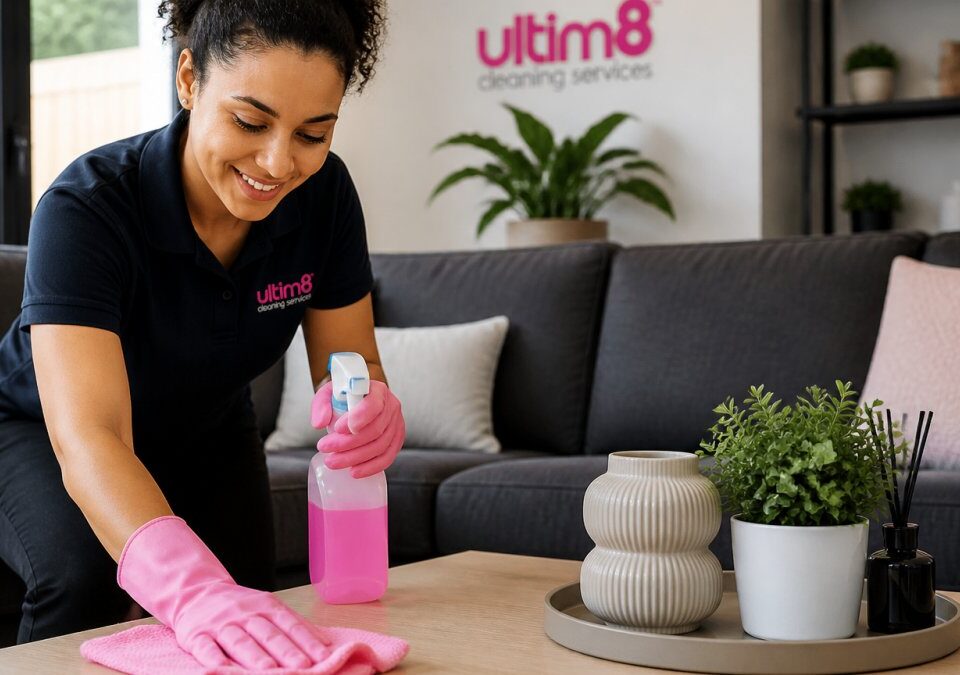
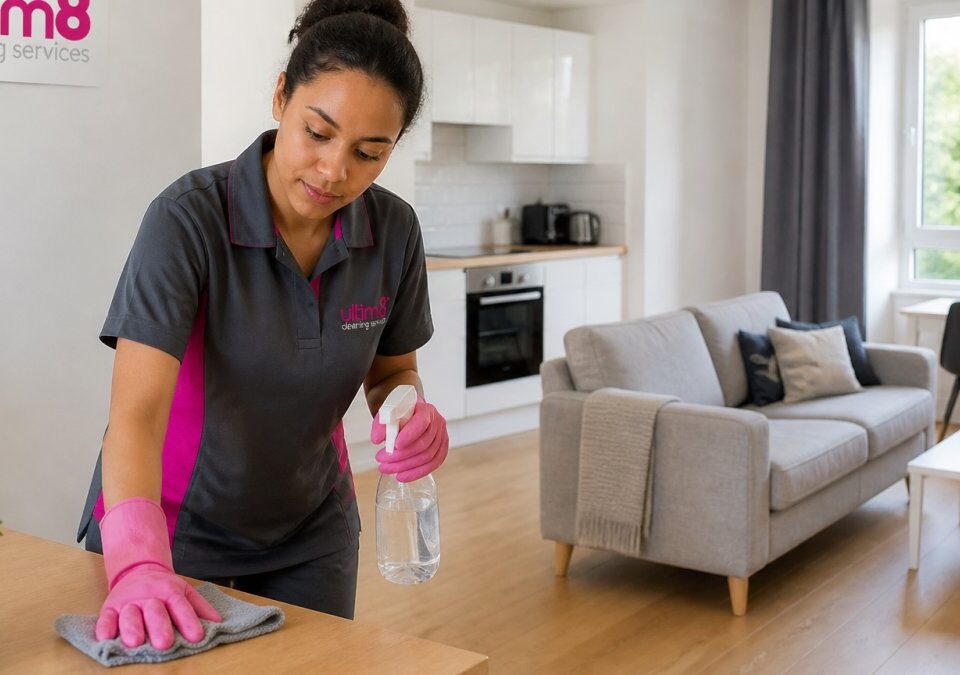
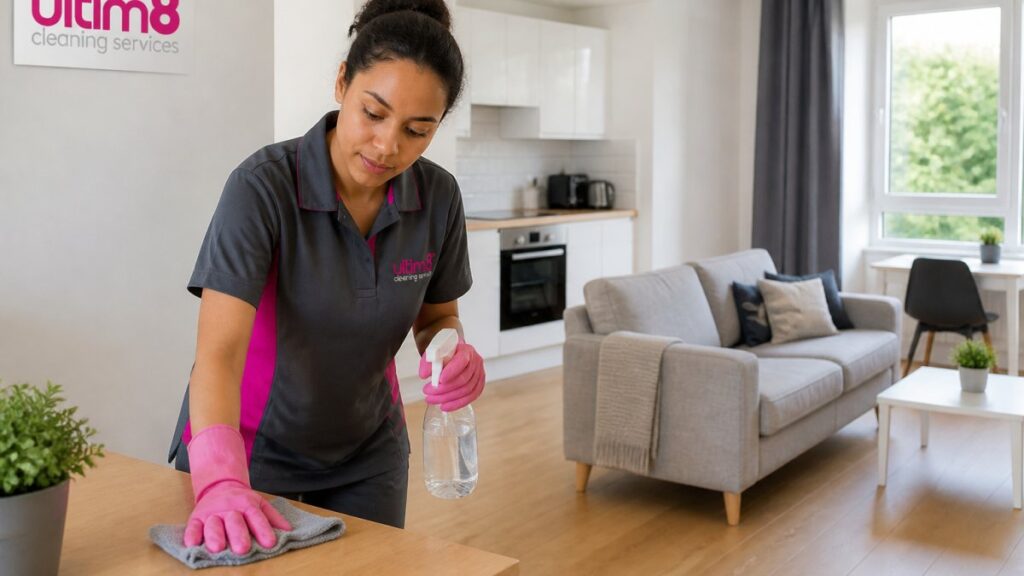
- Wiping down countertops and tables
- Cleaning mirrors and windows
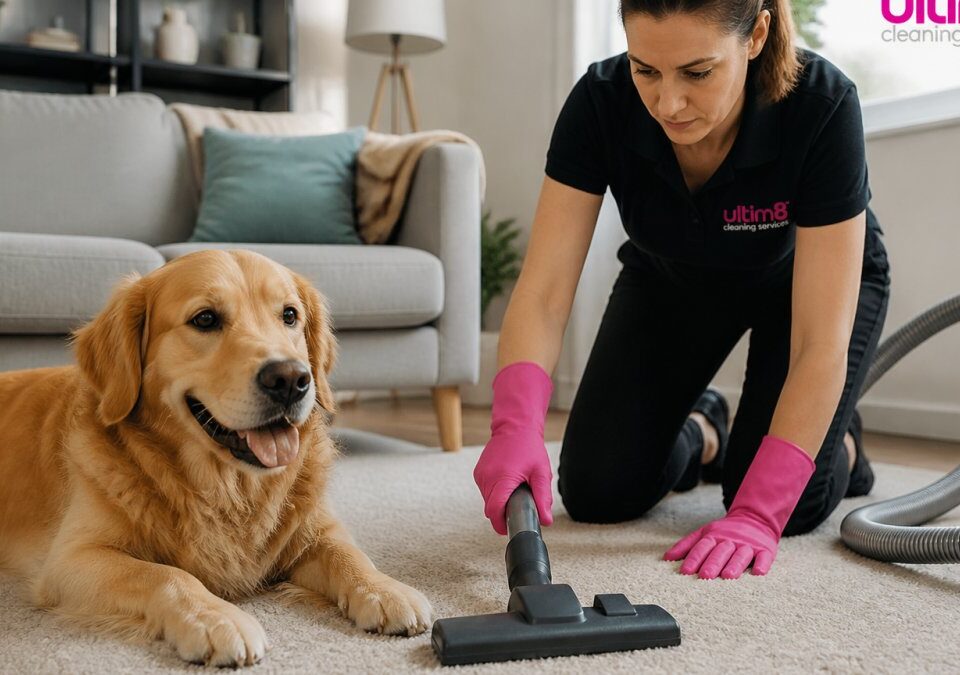
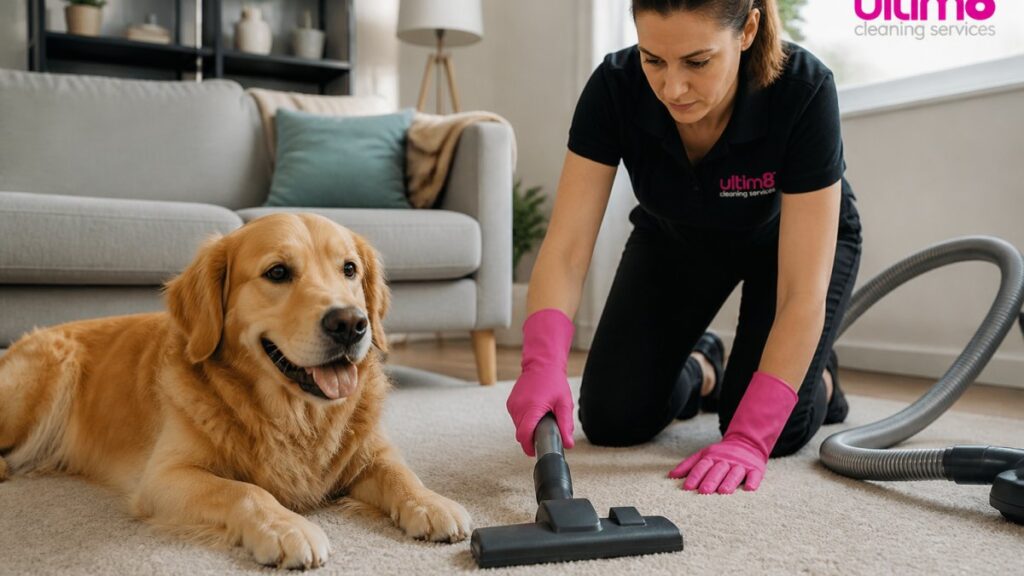
- Vacuuming all carpeted areas
The goal is to maintain your home between deep cleans, not to tackle years of neglect or specialized projects.
Kitchen Cleaning Tasks
Your kitchen gets focused attention during every visit because food preparation demands more thorough sanitization than other rooms.
Standard kitchen tasks include:
- Wiping down countertops and backsplash
- Cleaning the stovetop and range hood
- Sanitizing the sink and polishing fixtures
- Spot-cleaning cabinet fronts
Your cleaner won’t reorganize your kitchen or deep-clean inside cabinets during a standard recurring visit. Those tasks fall into deep cleaning territory. But surfaces stay sanitized and ready for daily use.
Bathroom Cleaning and Sanitization
Bathrooms require the most intensive sanitization work, thanks to moisture, bacteria, and soap buildup.
Standard bathroom tasks include:
- Sanitizing and scrubbing toilets
- Cleaning sinks and polishing fixtures
- Wiping mirrors
- Sanitizing shower walls and tub
A recurring cleaning service keeps bathrooms hygienically clean for daily use. Deep cleaning (like grout scrubbing or tile treatment) happens less frequently, typically during quarterly or annual deep cleans.
Dusting, Vacuuming, and Floor Mopping
These three tasks form the backbone of any recurring cleaning service, keeping your home fresh between deep cleans.
Dusting includes:
- Shelves, picture frames, and decorative items
- Ceiling fans and light fixtures
- Baseboards and trim
- Furniture surfaces
Vacuuming covers all carpeted areas, including under furniture when possible. Mopping handles all hard floors, tile, laminate, vinyl, or hardwood.
Frequency depends on your schedule: weekly service means every seven days, biweekly every two weeks, and monthly spaces them further apart.
How Long Does a House Cleaning Take
Cleaning duration depends on home size, current condition, and how many cleaners show up.
The first visit almost always takes longer, since your cleaner is establishing standards and learning your preferences. After that, the routine speeds up because the home is already at a baseline level of cleanliness.
Cleaning teams (two people instead of one) can cut time in half, but they also increase cost.
Recurring Cleaning Checklist: Your Weekly or Biweekly Routine
A solid recurring cleaning checklist ensures nothing gets missed, with a consistent routine adapted to your specific needs.
Here’s a typical checklist for a standard recurring cleaning:
Bathrooms
- Scrub and sanitize toilets
- Clean sinks and polish fixtures
- Wipe mirrors and glass
- Sanitize shower/tub
Kitchen
- Wipe countertops and backsplash
- Clean stovetop
- Sanitize sink
- Spot-clean cabinet fronts
Living Areas
- Dust surfaces and shelves
- Wipe down tables
- Vacuum carpeted areas
- Mop hard floors
Bedrooms
- Dust surfaces
- Vacuum floors
- Make beds (if included)
- Wipe light switches and door handles
This checklist repeats on your chosen schedule, weekly, biweekly, or monthly. Consistency is what makes recurring cleaning effective. The same tasks, done regularly, keep your home at a predictable level of cleanliness.
How to Prepare for a House Cleaner
You don’t need to deep-clean before your cleaner arrives; that defeats the purpose.
Before your appointment:
- Clear countertops of unnecessary items
- Pick up personal items from floors and surfaces
- Close doors to rooms you want left untouched
- Secure pets in a safe area if needed
Your cleaner doesn’t need a spotless home, just clear surfaces and unobstructed access.
Communication matters. If you work from home, let your cleaner know so they can plan around your schedule.
At Ultim8 Cleaning Services, you can schedule at times that work for you and communicate any special instructions directly through the platform.
Recurring Versus Deep Cleaning: What’s the Difference
Recurring cleaning and deep cleaning serve different purposes, and understanding the difference helps you choose the right service.
Recurring cleaning maintains your home at a baseline level. It handles daily dirt, dust, and sanitization.
Deep cleaning tackles what regular cleaning doesn’t.
Most homeowners benefit from both. A weekly or biweekly recurring cleaning keeps the home clean day-to-day.
Think of recurring cleaning as maintenance. Deep cleaning is restoration. You need maintenance regularly. You need restoration occasionally.
What Is Excluded From Standard Recurring Cleaning
Knowing what is not included prevents the most common source of disappointment with a recurring service. Standard recurring cleaning is built for speed and repeatability, so it deliberately excludes tasks that are slow, hazardous, or require specialized equipment. The exclusions below are typical across the industry; confirm the exact list with your provider before the first visit.
Tasks usually outside standard recurring scope
- Inside the oven, refrigerator, or dishwasher
- Interior windows above reachable height, and all exterior windows
- Heavy lifting or moving furniture over roughly 25 to 30 pounds
- High or hazardous areas: tall ladders, vaulted ceilings, ceiling fans above standard reach, light fixtures that require disassembly
- Grout scrubbing, tile sealing, and hard-water stain removal
Why these tasks are excluded
Each exclusion has a practical reason. Inside-appliance cleaning adds 30 to 60 minutes per appliance and often requires disassembly. Heavy furniture moving creates injury and liability risk. High areas require ladders and fall protection a standard kit lacks. Biohazards and mold require protective equipment and often licensed remediation. Organizing is judgment-heavy and hard to standardize across visits.
Do not assume a task is included because it seems small. Ask specifically about inside the microwave, inside the oven, bed linens, and interior windows, because those are the four items most often assumed and most often excluded.
Local factors that affect what is realistic
The local climate adds work a generic checklist may not capture. High humidity and warm temperatures encourage mold and mildew growth in bathrooms and on window frames, which is why recurring bathroom sanitization matters more here than in drier climates. Pollen seasons coat lanais, window sills, and screen enclosures, and sand tracked in from beaches and outdoor activities wears down mop heads and dulls hard floors faster.
How to handle excluded tasks
Most providers offer three paths: add the task to your recurring plan for an added fee, schedule a one-time deep clean or add-on service, or handle it yourself between visits. Ask which exclusions can be added and at what price before you sign up, and get the answer in writing. If a task is safety-related, such as high ceilings or biohazard cleanup, expect it to stay excluded rather than become an add-on.
A recurring plan keeps your home at a maintained baseline. Anything that requires disassembly, ladders, heavy lifting, or specialized protective equipment belongs in a deep clean or a separate service, not a standard recurring visit.
Quality Control and Consistency With Your Recurring Service
Consistency is the whole point of recurring cleaning.
Here’s what to expect from a quality recurring cleaning service:
- The same cleaner or team each time (when possible)
- A consistent routine and checklist
- Predictable timing and reliability
- Clear communication about any issues
- A way to provide feedback and request adjustments
If something isn’t right, speak up immediately. Most services have a guarantee or a way to address concerns.
Keep a simple log if you want. Note any areas that weren’t cleaned well or any tasks you’d like added or removed.
A recurring cleaning service takes the burden of housekeeping off your shoulders.
Frequently Asked Questions
What should I expect during my first recurring cleaning visit?
Your first recurring cleaning visit typically takes longer than future visits because the team will perform a thorough initial assessment and deeper cleaning. They will work through a detailed checklist, addressing all surfaces, appliances, and areas. Subsequent visits follow a faster routine since your home is already maintained. The team will introduce themselves, confirm your specific preferences, and identify any high-priority areas you’d like emphasized in future visits. This initial visit sets the standard for all recurring cleaning appointments moving forward.
What is included in a standard house cleaning?
Standard recurring cleaning typically includes kitchen tasks like wiping countertops, cleaning cabinet fronts, and sanitizing sinks; bathroom cleaning including toilet sanitization, mirror cleaning, and fixture polishing; dusting surfaces and light fixtures; vacuuming and mopping floors; and trash removal. Most services also handle bed making and basic surface wiping throughout your home. The exact scope depends on your recurring cleaning plan and frequency. Specialized tasks like inside oven cleaning, refrigerator interior cleaning, or baseboards may be offered as add-ons or included in monthly deep-cleaning visits rather than weekly or biweekly recurring service.
How long does a house cleaning take?
Your first recurring cleaning visit may take 2.5 to 4 hours depending on home size and current condition. Subsequent weekly or biweekly recurring cleaning visits typically take 1.5 to 3 hours because your home is already maintained. A two-person team generally works faster than a single cleaner. Factors affecting duration include square footage, number of rooms, clutter level, and specific tasks included in your recurring cleaning plan. Pricing depends on your specific service package.
How often should I schedule a recurring cleaning service?
Most busy families benefit from weekly or biweekly recurring cleaning schedules. Weekly cleaning works best for households with children, pets, or high-traffic areas. Biweekly service suits smaller homes or those with fewer occupants. Monthly recurring cleaning is an option if you prefer less frequent service or have a tighter budget. Your ideal frequency depends on household size, lifestyle, and personal cleanliness standards. A professional cleaner can recommend the best recurring cleaning schedule during your first visit based on your home’s specific needs and your preferences for maintaining consistency.