How to Prepare Home for Professional Cleaners
October 1, 2026
Table of Contents
- Why a Move-Out Deep Clean Decides Your Security Deposit
- Your Move Out Cleaning Supplies List: What You Actually Need
- Room-by-Room Residential Deep Cleaning Checklist for Move Outs
- How to Get Your Security Deposit Back: Cleaning Strategy That Works
- Move Out Cleaning Cost Estimate: DIY vs. Hiring a Pro
- Time Management and Your Post-Cleaning Inspection Checklist
- Conclusion
- Frequently Asked Questions
Last Updated: October 1, 2026
Why a Move-Out Deep Clean Decides Your Security Deposit
A residential deep cleaning checklist for move outs is the difference between walking away with your full security deposit and losing part of it to charges you could have prevented. Most renters treat move-out cleaning like a regular tidy-up. That’s the first mistake.
A move-out deep clean isn’t about effort. It’s about matching the condition your landlord documented on the move-in property condition report. Clean to that document, not to your memory.
Your Move Out Cleaning Supplies List: What You Actually Need
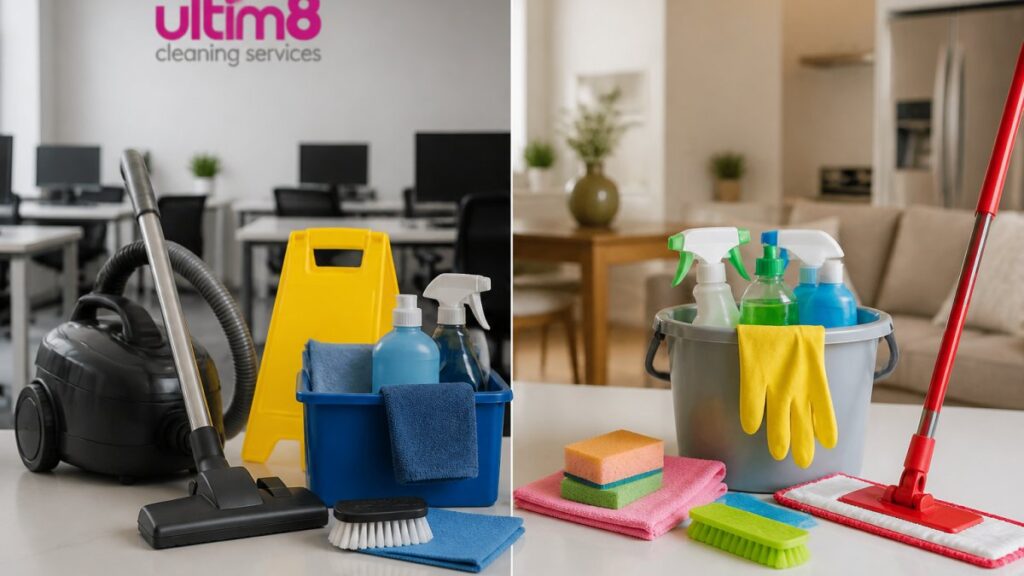
Most move-out cleaning fails because people buy the wrong supplies. A solid move out cleaning supplies list is shorter than you’d think, and it splits into two categories: tools that remove residue, and chemicals that dissolve it.
Must-Have Tools and Solutions
You need microfiber cloths in at least three colors so you don’t cross-contaminate the bathroom and kitchen. Add a HEPA vacuum for carpets and vents, a stiff grout brush, a squeegee, and a flat mop for baseboards and walls. For solutions, an all-purpose degreaser, a descaler for hard water, and a disinfectant cover almost every surface.
- Microfiber cloths (color-coded: kitchen, bath, glass)
- HEPA vacuum with crevice and brush attachments
- Grout brush and an old toothbrush for window tracks
- Squeegee, flat mop, and a bucket
- Degreaser, descaler, disinfectant, and glass cleaner
Eco-Friendly vs. Industrial Chemicals: Which to Use Where
Eco-friendly products handle daily grime, dusting, and general sanitization well. Industrial chemicals earn their place on baked-on oven grease, hard water scale, and mold in grout lines. The honest trade-off: eco-friendly formulas are safer around your family and pets but need more dwell time. Industrial degreasers work faster but require ventilation and gloves.
Never mix bleach-based and ammonia-based cleaners. The combination releases toxic chloramine gas. If you’re unsure what’s in a bottle, use one product at a time and rinse between.
Room-by-Room Residential Deep Cleaning Checklist for Move Outs
A room-by-room approach beats working randomly, because it stops you from missing the spots landlords check first. Here’s the order that saves the most time.

| Room | Priority Task | Common Miss |
|---|---|---|
| Kitchen | Degrease oven interior and drip pans | Cabinet interiors |
| Bathroom | Descale grout and fixtures | Vent covers |
| Living/Bedroom | Dust light fixtures and baseboards | Cobwebs in corners |
| Floors | Vacuum then mop | Window tracks |
Kitchen: Degreasing, Descaling, and Appliance Interiors
Start with the oven interior and drip pans, since degreasers need time to work. Spray, wait, then scrub. Wipe cabinet interiors, degrease the range hood filter, and pull the refrigerator out to vacuum the coils.
Bathrooms: Sanitizing Grout, Fixtures, and Vent Covers
Descaler goes on the showerhead, faucets, and tile grout first. While it dwells, disinfect the toilet, tub, and sink, then remove and wash the vent cover. A grout brush reaches what a sponge can’t.
Living Areas and Bedrooms: Dusting, Baseboards, and Light Fixtures
Work top-down. Dust ceiling fan blades and light fixtures before baseboards, or you’ll redo the floors. A dryer sheet or damp microfiber cloth pulls dust instead of spreading it.
Floors, Carpets, and Window Tracks
Vacuum carpets with a HEPA vacuum before any mopping, then mop hard floors last. Window tracks collect grit that a vacuum crevice tool handles faster than a cloth.
How to Get Your Security Deposit Back: Cleaning Strategy That Works
Knowing how to get your security deposit back is mostly about documentation, not scrubbing harder. The cleaning is the easy part. The hard part is proving you did it, on the right standard, before the landlord’s deadline.
Start With the Move-In Property Condition Report
Most leases require a move-in property condition report, sometimes called a move-in/move-out checklist or a condition inventory. That document, not your memory, is the standard your landlord will compare the unit against. Pull it out before you clean and read it line by line. If your landlord never gave you one, that absence usually works in your favor: in many states, a landlord who fails to provide a written condition report within a set window (often 5 to 7 days after move-in) cannot later deduct for pre-existing damage.
Know the Difference Between Normal Wear and Damage
Deposit disputes almost always turn on one question: is this normal wear and tear, or is it damage? Most state statutes treat normal wear as non-deductible. Common examples of normal wear include:
- Faded paint or minor scuffs from furniture
- Worn carpet in high-traffic paths
- Loose grout or caulk that has aged
- Small nail holes from hanging pictures
- Dust and light buildup in vents or blinds
Document With Dated, Time-Stamped Photos
Photograph every room after cleaning, and make sure your phone’s timestamp is on. A useful sequence:
- Wide shot of each room from the doorway
- Close-up of the oven interior, drip pans, and range hood
- Inside the refrigerator, freezer, and cabinet interiors
- Under the fridge and behind the toilet
- Window tracks, blinds, and screens
- Baseboards, light fixtures, and ceiling fan blades
- Floors after the final mop, before anything is moved back in
Request a Pre-Move-Out Walkthrough in Writing
Many landlords will do a courtesy walkthrough before your final day if you ask in writing. Send the request by email or through the leasing portal so there is a record. At the walkthrough, take notes on anything the landlord flags and fix it before the final inspection.
Return the Keys and Leave a Forwarding Address
Most state deposit statutes require you to provide a forwarding address so the landlord can mail your itemized deduction list and refund. If you skip this step, the clock on the refund deadline may not start, and you lose leverage. Send the forwarding address in writing, keep the keys’ return receipt, and photograph the empty, clean unit one last time on your way out.
Photograph inside the oven, under the fridge, and inside cabinet interiors, not just wide shots. These are the areas landlords cite most often, and close-up photos settle disputes fast.
Deposit rules vary by state. Some states cap deposits, set strict return deadlines (often 14 to 30 days), and require itemized deductions in writing. Look up your state’s landlord-tenant statute or contact a local tenant rights organization before you assume a deduction is fair.
Move Out Cleaning Cost Estimate: DIY vs. Hiring a Pro
A move out cleaning cost estimate depends on four things: square footage, condition, whether the unit is empty or still full of boxes, and whether you need add-ons like inside-oven, inside-fridge, or carpet shampoo. DIY costs you supplies and a weekend. Professional cleaning costs more upfront but removes the risk of a failed landlord inspection and a second round of deductions.
What Drives the Price
Most residential cleaning companies price move-outs on a tiered scale rather than a flat hourly rate. The main drivers:
- Square footage. A studio or one-bedroom sits at the low end; a three-bedroom, two-bath home sits at the high end.
- Condition. A unit that was cleaned regularly costs less than one with heavy grease, pet hair, or smoke residue.
- Empty vs. furnished. Empty units clean faster and cheaper because crews can reach baseboards, floors, and appliance interiors without moving furniture.
- Add-ons. Inside-oven, inside-fridge, inside-cabinet, and carpet shampoo are usually quoted separately.
- Timing. Weekend, evening, and end-of-month slots (when most leases turn over) often carry a premium.
A Rough DIY Supply Budget
If you clean it yourself, budget for supplies you probably do not already own:
- Microfiber cloths (a multi-pack in three colors): under $20
- HEPA vacuum bags or filters: $15 to $40 depending on the model
- Degreaser, descaler, disinfectant, and glass cleaner: $25 to $50 total
- Grout brush, squeegee, flat mop, and bucket: $30 to $60
- Trash bags, gloves, sponges, and paper towels: $15 to $25
When Hiring a Pro Pays Off
Hiring out usually makes sense when:
- Your deposit is large enough that a single missed item would cost more than the cleaning fee.
- Your lease requires professional carpet cleaning or receipt-based proof of cleaning.
- You are moving out of state or on a tight timeline and cannot spend a full day scrubbing.
- The unit has heavy grease, pet odor, or smoke residue that needs commercial-grade products.
Questions to Ask Before You Book
- Are you insured and are your cleaners background-checked?
- Do you work from a written move-out checklist, and can I see it?
- Is the quote flat-rate or hourly, and what triggers an upcharge?
- Do you offer a re-clean guarantee if the landlord flags something?
- Will you provide a receipt I can attach to my deposit documentation?
Ultim8 Cleaning Services handles move-out transitions with insured, background-checked cleaners who work from a detailed checklist. Pricing depends on your unit’s size and condition, so request a quote for current rates.
Compare the cleaning quote against your deposit, not against your pride. If the deposit is larger than the quote, hiring out is usually the cheaper decision once you price in your own time and the risk of a failed inspection.
Time Management and Your Post-Cleaning Inspection Checklist
Time management for move-outs comes down to sequencing. Clean the dirtiest rooms first, while you still have energy, and save light dusting for last. Budget a full day for a two-bedroom unit if you’re doing it yourself.
- Oven interior, drip pans, and range hood degreased
- Refrigerator coils vacuumed, cabinet interiors wiped
- Grout descaled, fixtures polished, vent covers washed
- Baseboards, light fixtures, and ceiling fans dusted
- Window tracks and blinds cleaned
- Floors vacuumed and mopped, no surface residue
- Every room photographed for your records
Walk the unit as if you were the landlord. Anything you’d flag, fix before the inspection, not after.
Conclusion
Move-out cleaning is stressful precisely when you’re already stretched thin by packing and logistics. The deposit you’re protecting is worth more than a rushed weekend of scrubbing, and a missed detail can cost you far more than the cleaning itself. Ultim8 Cleaning Services brings insured, background-checked cleaners, environmentally safe products, and checklist-driven attention to detail to every move-out job, with instant online booking that fits around your schedule. Book now.
Frequently Asked Questions
Do I really need to deep clean before moving out?
Yes, in most cases. Your lease likely requires the unit returned in the same condition as move-in, minus normal wear. A residential deep cleaning checklist for move outs helps you meet that standard and avoid deductions from your security deposit. Landlords often conduct a walkthrough and compare the property condition report to what they see. Skipping the deep clean, especially grout, oven interior, and window tracks, is one of the most common reasons renters lose part of their deposit.
What is the 5-5-5 rule for cleaning?
The 5-5-5 rule is a quick-reset method: spend five minutes tidying each of five rooms, focusing on five tasks per room. It is not a full deep clean, but it works well for daily upkeep before your move-out week. For a move-out, you will need a more thorough approach that covers appliances, baseboards, grout, and window tracks. Think of 5-5-5 as maintenance, and the move-out checklist as the final push.
How long does a professional move-out deep clean take?
A professional move-out deep clean typically takes four to eight hours for a one- to two-bedroom apartment, depending on condition and square footage. Larger homes or units with heavy buildup can take longer. Many cleaning companies send a team of two or three, which shortens the clock. If you are doing it yourself, plan for two to three full days. Booking a pro the day before your final walkthrough gives you a buffer if anything needs a second pass.
What should be on my move out cleaning supplies list?
Start with microfiber cloths, a HEPA vacuum, a mop and bucket, a scrub brush, and a squeegee. Add degreaser for the oven and stovetop, descaler for bathroom fixtures, grout cleaner, glass cleaner, and a mild all-purpose spray for walls and scuff marks. Include trash bags, rubber gloves, and a step stool for light fixtures and ceiling fans. A caddy keeps everything portable so you are not running back and forth between rooms.
How do I get my security deposit back if the landlord finds issues?
Document everything. Take dated photos and video of each room after cleaning, including inside the oven, fridge, and closets. Review your property condition report and compare it to the current state. If your landlord flags something, ask for a written itemized list with costs. In many states, landlords must provide this within a set number of days. If the issue is minor, offer to return and fix it before the walkthrough. A post-cleaning inspection checklist helps you catch problems first.
Is it worth hiring a professional for move-out cleaning?
It depends on your time, budget, and lease terms. A move out cleaning cost estimate for professional service varies by size and condition, so get a quote based on your specific unit. Hiring a pro saves you hours and often produces better results on grout, oven interiors, and window tracks. If your deposit is significant or your landlord is strict, professional cleaning can pay for itself. If you have time and help, DIY works too.