
9 Things a Vacation Rental Cleaning Contract Must Include
November 27, 2026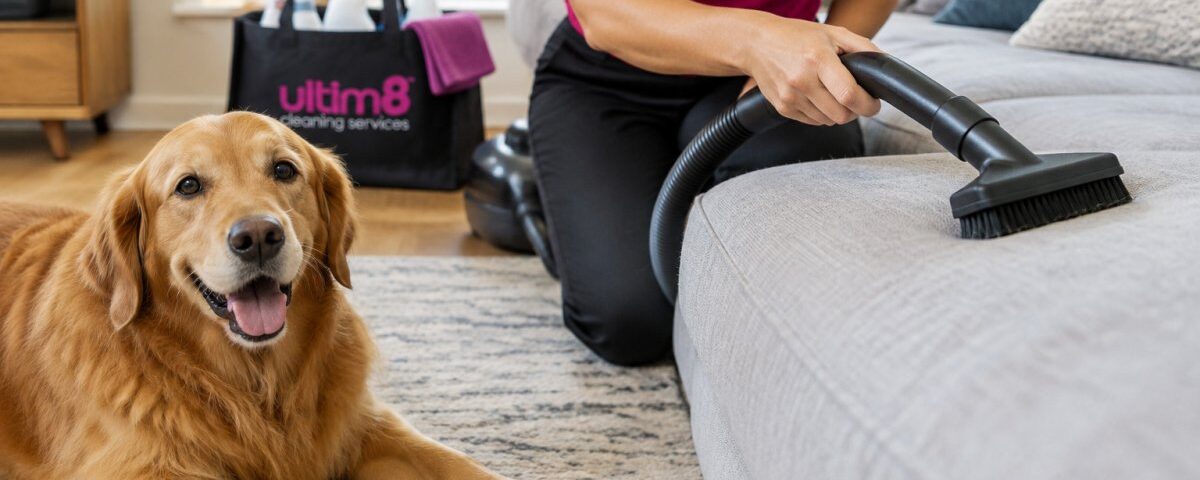
Last Updated: November 26, 2026
Quick Summary
You remove pet dander from home surfaces by damp-wiping hard surfaces, vacuuming with a HEPA filter, and washing fabrics regularly. Wiping works better than dusting because dry methods can push particles back into the air. Dander is one of the most common triggers for indoor allergies, so a steady routine matters.
- Damp-wipe surfaces rather than dry dusting, which can push particles back into the air.
- Use a HEPA-filtered vacuum with an upholstery attachment on couches and cushions.
- Work from high to low and from the back of the home toward the exit during a deep clean.
- Replace the HVAC filter on the manufacturer’s schedule, often every 60 to 90 days.
- Filters rated MERV 12 or higher effectively reduced indoor cat-allergen levels in a 2024 review.
Table of Contents
- How Do You Remove Pet Dander From Home Surfaces?
- Why Pet Dander Settles on Surfaces and Where It Hides
- How to Remove Pet Dander From Couch and Upholstery
- Surface-by-Surface Cleaning: Hard Floors, Walls and Furniture
- Room-by-Room Sequence for a Deep Clean of Your House From Pet Dander
- What Kills Pet Dander in the House and What Doesn’t
- How Long Pet Dander Remains in a House After Cleaning
- Book a Professional Deep Clean With Ultim8 Cleaning Services
- Frequently Asked Questions
How Do You Remove Pet Dander From Home Surfaces?
Pet dander is the tiny flakes of skin, saliva and fur residue that pets shed, and it settles on nearly every surface in a home. You remove it by wiping hard surfaces with a damp cloth, vacuuming with a HEPA filter, and washing fabrics regularly. Wiping works better than dusting because dry methods can push particles back into the air. Pet dander is one of the most common triggers for indoor allergies, so this routine matters.
Ultim8 Cleaning Services works with Tampa Bay households on this problem, and the steps below are the ones we recommend most often. Shedding is a common complaint. A nationally representative 2026 survey reported by The National Law Review ranked pet hair as the top household problem for pet owners, ahead of odors, noise and damage, according to Consumer Reports survey on pet hair as a household problem.
Cleaning reduces dander, but it will not remove it completely while your pet is still in the home. For guidance on reducing pet allergens indoors between cleanings, read How Do You Reduce Pet Allergens Indoors Effectively?.
Why Pet Dander Settles on Surfaces and Where It Hides
Dander is light and sticky, so it drifts through the air and lands on flat surfaces. It collects on floors, furniture, bedding, window sills and the tops of door frames. It also builds up in corners and behind furniture where cleaning is less frequent.
Most people miss the spots where dander hides longest:
- Upholstered furniture and throw pillows
- Carpets and rugs near pet sleeping areas
- Bedding, curtains and pet beds
- Air vents, returns and HVAC filters
- Shelves, baseboards and window ledges
Dander can stay airborne for a while after it is disturbed. Every time someone walks across a rug or a pet shakes off, more particles rise. That is why a short, focused cleaning session often helps more than a quick once-over.
How to Remove Pet Dander From Couch and Upholstery
Upholstery holds a lot of dander, and it is hard to clean with a simple wipe. Use these steps for fabric sofas and chairs:
- Vacuum the entire piece with a HEPA-filtered upholstery attachment, working from the top down.
- Pay attention to seams, cushion edges and the gap between cushions and the frame.
- Use a lint roller or a rubber glove for quick pickup on cushions.
- Dry dust surfaces with a damp microfiber cloth to avoid stirring particles.
- Vacuum again after the surface dries to pick up anything loose.
Use a damp cloth on upholstery rather than relying on dry dusting alone.
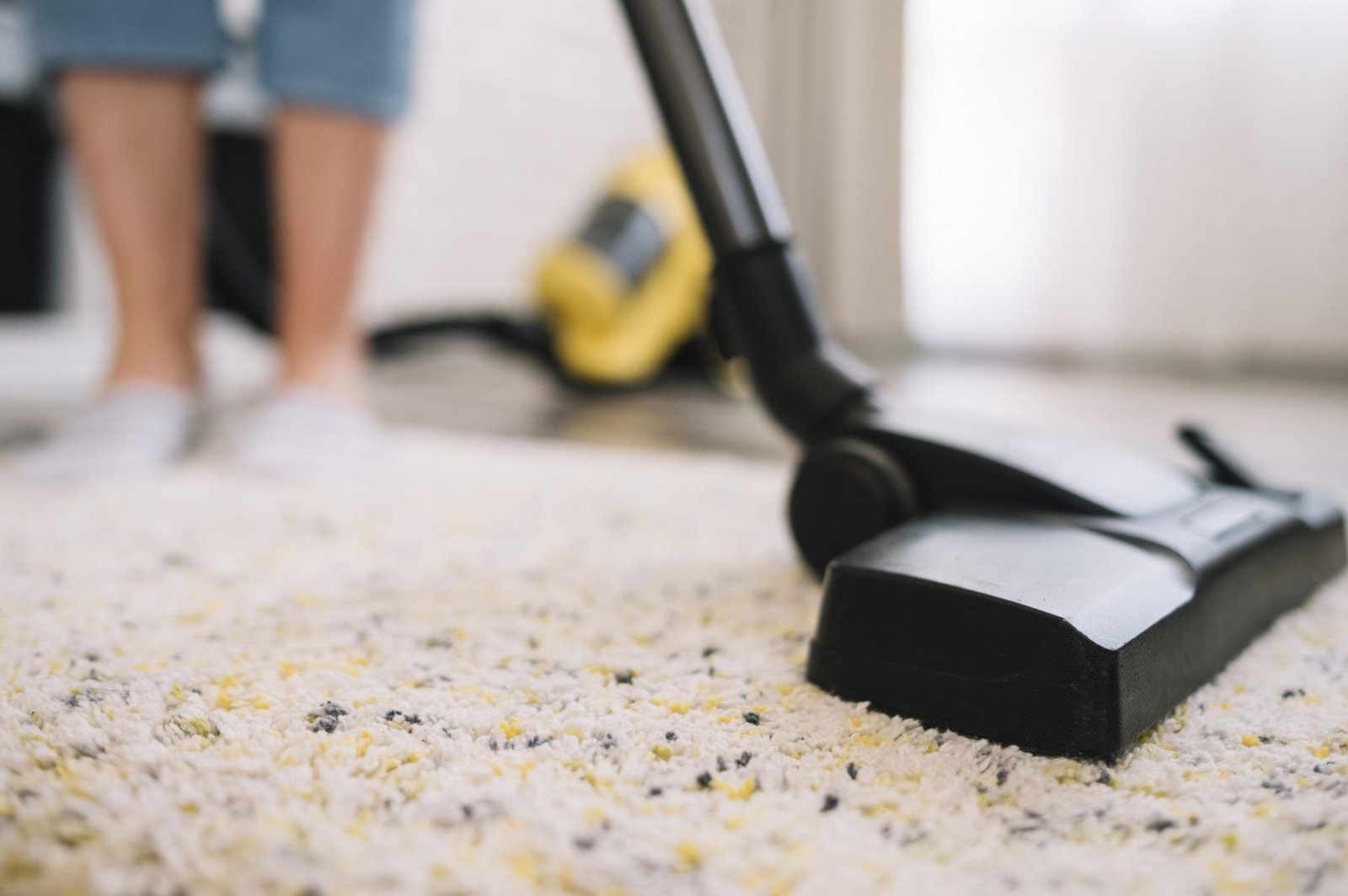
For more detail on fabric care, read our 7 Steps to Remove Pet Dander From Fabric Upholstery.
Surface-by-Surface Cleaning: Hard Floors, Walls and Furniture
Different surfaces need different tools, and the wrong method can either scratch a finish or launch dander back into the air. The table below is the short version; the notes after it explain the trade-offs.
| Surface | Best tool | Method | Avoid |
|---|---|---|---|
| Sealed hardwood | Microfiber mop, barely damp | Vacuum first with a brushless floor head, then damp-mop in the direction of the grain | Standing water, oil soaps, abrasive pads |
| Laminate and vinyl | Microfiber flat mop | Damp-mop with a pH-neutral cleaner; dry immediately | Steam mops on unsealed seams, vinegar on some wear layers |
| Tile and grout | Microfiber mop plus a soft grout brush | Damp-mop; scrub grout lines only when visibly soiled | Acid cleaners on natural stone |
| Glass and mirrors | Two microfiber cloths or a squeegee | Wipe with a damp cloth, then buff dry with a second cloth | Paper towels, which leave lint that traps dander |
| Electronics and screens | Dry microfiber, then a barely damp cloth on the housing only | Power off first; wipe vents with a soft brush | Sprays directly on screens or into vents |
| Finished wood furniture | Damp microfiber, then a dry cloth | Wipe with the grain; rinse the cloth often | Silicone or wax sprays that build a sticky film |
| Painted walls and trim | Damp microfiber on a pole | Work top to bottom in overlapping passes | Dry dusters and feather dusters |
| Window sills and ledges | Damp microfiber | Wipe, then dry the sill so paint does not soften | Soaking the sill |
Hard floors. Vacuum or sweep first, then mop with a damp, not wet, microfiber mop. A wet mop pushes a slurry of dander and dust into seams and grout, where it dries and becomes airborne again.
Walls, baseboards and door frames. Use a damp microfiber cloth on a pole and work from the ceiling line down. Overlap each pass by a few inches so you do not leave stripes of missed dander.
Wood and finished furniture. Dust with a damp microfiber cloth, then buff dry with a second cloth. Skip heavy sprays and oil polishes; they leave a tacky residue that actually catches more dander.
Glass, mirrors and electronics. Glass takes a damp wipe followed by a dry buff.
Window sills and ledges. These sit at pet height and collect a surprising amount of dander. Wipe with a damp cloth, then dry the sill so paint or caulk does not soften.
Watch out: dry dusting, feather dusters and dry sweeping lift fine particles back into the air, where they can stay suspended long enough to resettle on surfaces you just cleaned.
Cleaning product safety matters too. Pairing careful product use with a consistent routine to reduce allergens through home cleaning helps keep dander from settling back onto freshly cleaned surfaces.
Room-by-Room Sequence for a Deep Clean of Your House From Pet Dander
The order you clean in matters as much as the tools. Dander falls constantly, so work from high to low and from the back of the home toward the exit. That way you are not re-dirtying finished rooms, and you are not tracking dander from the pet’s favorite spots into clean areas.
Before you start: open a window or run the bathroom fan, put the pet in a closed room or outside, and gather a damp microfiber cloth, a HEPA vacuum with attachments, a mop, and a laundry basket for washable fabrics. Set a timer, most people underestimate how long a real deep clean takes.
- Bedrooms (about 30-45 minutes each). Strip bedding, pet beds and curtains and start them washing. Vacuum the mattress with an upholstery tool, then wipe the headboard, nightstands and lamp bases with a damp cloth. Vacuum the floor last.
- Living room (about 45-60 minutes). Vacuum upholstery first, cushions, seams, the gap between cushions and frame, then wipe shelves, tables and electronics. Vacuum rugs and the sofa base, then mop hard floors last.
- Kitchen (about 20-30 minutes). Wipe cabinet tops, appliance fronts and the areas where pets eat. Vacuum or sweep, then damp-mop. Pay attention to the toe-kick area under cabinets, which collects dander and hair.
- Bathrooms (about 15-20 minutes each). Wipe fixtures, vanity and tile, then damp-mop the floor. Wash bath mats and hang them to dry.
- Hallways and entries (about 15 minutes). Vacuum floors and wipe door frames, shoe benches and baseboards. These transitional spaces collect dander from every room.
- Air system (about 15 minutes). Replace the HVAC filter, then vacuum vents and returns with a brush attachment. Do this last so you are not blowing settled dander back onto freshly cleaned surfaces.
Frequency tiers. Not every task belongs on the same schedule. A practical split:
- Daily: damp-wipe high-contact surfaces (countertops, tables, pet bowls), vacuum the pet’s main sleeping area, and shake out or lint-roll throw blankets.
- Weekly: vacuum carpets and upholstery with a HEPA machine, damp-mop hard floors, wash pet bedding, and wipe baseboards and window sills in the rooms the pet uses most.
- Monthly to quarterly: wash curtains and throw pillows, vacuum mattresses, clean vents and returns, and replace the HVAC filter according to the manufacturer’s interval (often every 60-90 days, more often with a heavy-shedding pet).
Limiting airborne particles while you clean. Vacuuming and dry dusting both disturb settled dander. Run the HEPA vacuum slowly, fast passes leave more behind and stir more up, and damp-wipe surfaces before you vacuum the floor beneath them, so particles land on a surface you are about to clean rather than on one you already finished. If someone in the home has asthma or a known pet allergy, have them stay out of the room being cleaned and keep the window open until dust settles.
For a full checklist covering every room, see our Ultimate Guide to Spring Cleaning Your Tampa Bay Home: A Room-by-Room Checklist. If you want to plan how often to repeat this, read How Often Should You Deep Clean Your House.
What Kills Pet Dander in the House and What Doesn’t
Cleaning removes dander, but nothing “kills” it in a way that makes it harmless. Dander is made of skin and protein, and it does not die off on its own. Your best tools are removal and filtration.
- Works well: Damp wiping, HEPA vacuuming and washing fabrics in hot water
- Helps more over time: Air filters rated MERV 12 or higher. A 2024 review reported that these filters effectively reduced indoor cat-allergen levels, according to Minimizing indoor allergen exposure: What works?.
- Does not work well: Dry dusting, ionizers and air sprays that only mask odors
No single product removes all dander. Combine cleaning with filtration for the best results.
How Long Pet Dander Remains in a House After Cleaning
Dander can settle back onto surfaces within hours if your pet stays in the home. A cleaning session gives you a clean starting point, but it does not last. Plan to vacuum and wipe key areas weekly, and deep clean every few months.
Removing a pet does not clear allergens right away. A 2018 review noted that significant reductions in allergen levels may take several months after a pet is removed, according to Indoor Environmental Interventions for Furry Pet Allergens. Clean thoroughly, then keep up a regular routine.
Book a Professional Deep Clean With Ultim8 Cleaning Services
If you want a thorough result without the time commitment, Ultim8 Cleaning Services offers detailed residential cleaning across the Tampa Bay area. Our insured, background-checked cleaners use environmentally safe products and work through detailed checklists. You can book online at any time.
Frequently Asked Questions
How do you deep-clean a house to remove pet dander?
Work from high to low and from the back of the room toward the door. Start with ceiling corners, ceiling fans, vents and light fixtures, then wipe walls, baseboards and furniture with a damp microfiber cloth. Vacuum upholstery and carpets with a HEPA-filtered vacuum, mop hard floors last, and wash pet bedding and throw blankets in hot water. Replace HVAC filters to capture airborne particles over time.
How long can pet dander remain in a house?
Pet dander can stay in a home for months after a pet leaves. Allergen levels can take a considerable time to fall after pet removal. Dander settles on soft furnishings, carpets and ducts, so it keeps resettling until those surfaces are cleaned and airborne particles are filtered out. Regular damp wiping and HEPA filtration shorten that period.
Can a damp cloth remove pet dander from hard surfaces?
Yes. Damp wiping works well on floors, counters and furniture legs. Damp cloths trap dander rather than pushing it into the air, which is why they are preferred over dry dusting with a feather duster. Rinse the cloth often and use a mild, fragrance-free cleaner.
Does vacuuming remove pet dander from carpets and upholstery?
Vacuuming removes a large share of dander from carpets and upholstery, but only if the vacuum has a HEPA filter. Standard vacuums can blow fine particles back into the air. Make passes slowly, use an upholstery tool on couch cushions and seams, and vacuum regularly.