Hiring Cleaners for Vacation Rental Turnovers
November 12, 2026
Deep Cleaning vs Move-Out Cleaning: What to Expect
November 13, 2026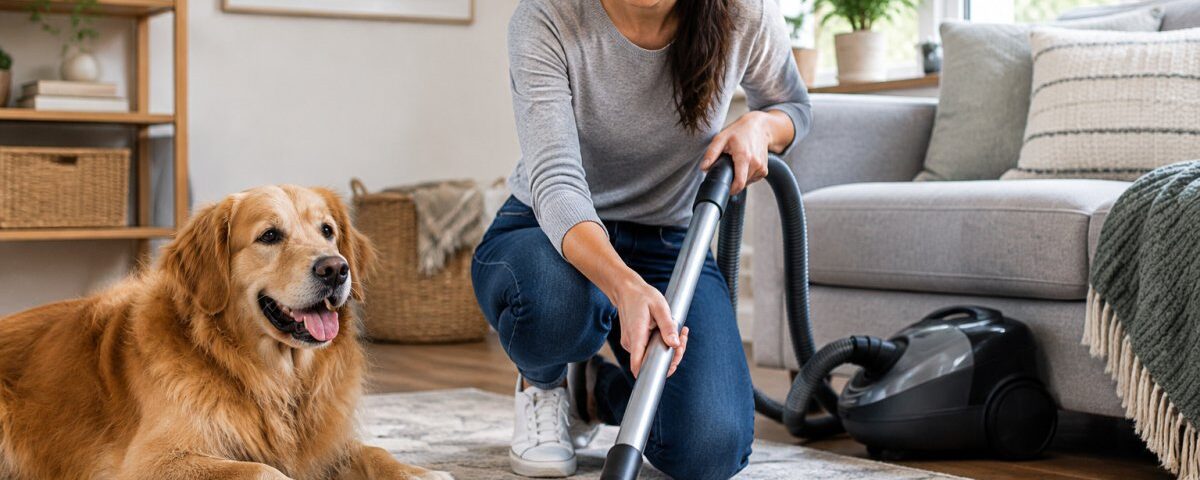
Quick Summary
You can reduce pet allergens indoors without rehoming your pet by starting in the bedroom, keeping pets out of it, washing bedding weekly, and vacuuming with a HEPA filter. Air purifiers with a suitably sized unit and a MERV 12 or higher filter also help lower airborne levels. Expect a reduction in exposure, not complete elimination.
- Keep pets out of the bedroom entirely and close the door during the day and night.
- Wash bedding weekly in hot water when the fabric allows.
- Check the CADR rating on portable air cleaners and make sure it suits your room size.
- Use damp dusting and microfiber instead of dry dusting, which lifts dander into the air.
- Vacuum carpets and upholstery with a HEPA-filtered vacuum with a sealed bag or canister.
Table of Contents
- Why Pet Allergens Build Up Indoors and Where to Start
- How to Reduce Allergens in Bedroom Spaces First
- Do Air Purifiers Reduce Pet Allergens Enough to Matter?
- How to Remove Pet Allergens From Home Surfaces, Carpets and Fabrics
- How Often Should You Clean to Reduce Pet Dander?
- Pet Grooming and Keeping Pets Out of Rooms: What Helps and What Doesn’t
- Setting Realistic Expectations and Booking Your Next Deep Clean
- Frequently Asked Questions
How Do You Reduce Pet Allergens Indoors Effectively?
Last Updated: November 11, 2026
Why Pet Allergens Build Up Indoors and Where to Start
Pet allergens are one of the most common triggers for indoor allergy symptoms, and they cling to nearly everything in a home.
The good news is that you can cut exposure without getting rid of your pet. Start by focusing on the places where you spend the most time, then work outward.
Allergen reduction is not the same as allergen elimination. Expect to lower exposure, not erase it. That mindset helps you set realistic goals and pick the steps that will matter most.
How to Reduce Allergens in Bedroom Spaces First
The bedroom is a good place to start. You spend roughly a third of your day there, so lowering allergen levels in that room can be a practical first step.
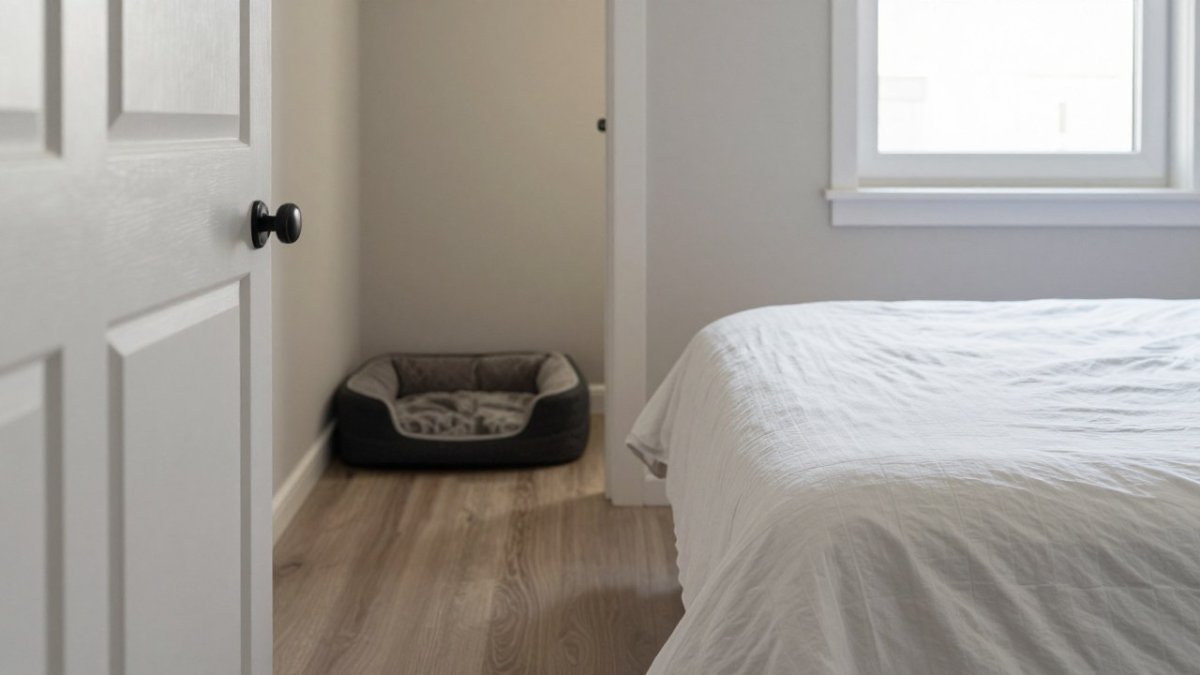
Keep pets out of the bedroom entirely if you can. Close the door at night and during the day when you are not supervising. This simple boundary does more than most gadgets.
Next, focus on what sits in the room:
- Use allergen-resistant covers on pillows and mattresses
- Wash bedding weekly in hot water when the fabric allows
- Choose washable curtains over heavy drapes
- Remove unnecessary clutter where dander can collect
- Keep a pet bed out of the bedroom
This approach works because it removes allergens from the place where you breathe for hours each night. Once the bedroom is under control, you can move on to other rooms.
Do Air Purifiers Reduce Pet Allergens Enough to Matter?
Air purifiers can lower airborne pet allergens, but only when the unit is sized and placed correctly. A portable purifier that is too small for the room, or that sits in a corner behind a sofa, will move far less air than its label suggests. Treat filtration as one layer of a larger plan, not a stand-alone fix.
What the evidence actually supports
A 2024 review notes that indoor allergen exposure research on air filtration supports air filtration for lowering indoor cat-allergen levels. The same review reports that filters rated MERV 12 or higher effectively reduced indoor cat-allergen levels in the analysis it discusses. That is a meaningful signal, but it is not a promise of symptom relief. Research on air cleaners shows reductions in airborne allergen, while clinical benefits vary from person to person and depend on how much allergen is in the room to begin with.
Sizing a portable air cleaner
The practical number to compare is clean-air delivery rate, usually written as CADR and measured in cubic feet per minute. When comparing units, check the CADR rating on the label and confirm it suits the size of your room.
Watch out: manufacturers sometimes advertise a “room size” that assumes a lower ceiling or a higher air-exchange rate than your home actually has, so check the CADR number rather than the marketing square footage.
Placement and operation
- Put the unit where you spend the most time and where air can reach the intake, not tucked behind furniture or in a closed closet.
- Run it on a higher setting when you are in the room and a lower setting when you are away; noise and electricity use are the main trade-offs.
- Keep the unit running continuously during allergy season rather than switching it on only when symptoms flare.
- Replace or clean the pre-filter on the schedule the manufacturer specifies; a loaded pre-filter reduces airflow and CADR.
HVAC filters versus portable units
A higher-rated filter in your central HVAC system can help, but the system’s fan only runs when the system runs, and ductwork and filter racks can leak. Check that your HVAC system can handle the added resistance of a higher-rated filter before installing one. Portable HEPA units are generally the more controllable option for a single bedroom or pet zone. Portable HEPA units can reduce airborne dander in a pet zone, while lingering carpet smells may call for professional help for pet odors.
Realistic expectations
Expect a reduction in airborne allergen, not a sterile room. Allergen that has settled into carpet, upholstery, and bedding will be stirred up again by walking, sitting, and vacuuming, which is why filtration works best alongside the cleaning and boundary steps in the rest of this guide. If symptoms do not improve after several weeks of consistent use, the unit may be undersized for the room or the allergen reservoir in fabrics may be the bigger problem.
How to Remove Pet Allergens From Home Surfaces, Carpets and Fabrics
Pet dander settles on surfaces and then gets stirred back into the air. Regular cleaning keeps it under control. Carpets, upholstery and soft furnishings hold the most allergen, so give them extra attention. For guidance on removing carpet stains and deep-cleaning carpet fibers, read our dedicated guide.
Consider replacing wall-to-wall carpet with hard flooring where possible. If you keep carpet, vacuum it often with a machine that has a HEPA filter. Wash washable fabrics, and check the labels on upholstery before using a cleaner.
For a deeper clean, plan to work through the house in this order:
- Vacuum carpets and upholstery with a HEPA-filtered vacuum
- Damp-dust shelves, baseboards and window sills
- Mop hard floors
- Wash throw blankets, curtains and pet bedding
Cleaning Methods That Avoid Spreading Allergens
Some cleaning habits stir allergens into the air. Dry dusting with a feather duster is a common example. It lifts dander and sends it floating around the room.
Damp cloths and microfiber work better because they trap particles. Vacuum slowly and use a bag or filter that seals well. Clean from high to low so debris does not fall on areas you have already done.
How Often Should You Clean to Reduce Pet Dander?
Most households with pets benefit from a steady routine rather than occasional big cleans. A weekly schedule covers the basics, and a monthly deep clean handles the areas that build up over time. For a seasonal approach to thorough home cleaning across the year, see our spring cleaning guide. The order you clean in matters as much as the frequency, because dry methods can lift settled dander back into the air and undo the work you just did.
A prioritized cleaning sequence
Work from the cleanest tasks to the dirtiest, and from high surfaces to low ones, so debris does not fall onto areas you have already finished.
- Damp-dust high surfaces first, shelves, window sills, baseboards, and the tops of cabinets. Use a damp microfiber cloth rather than a feather duster; dry dusting is a common way to send dander airborne.
- Vacuum soft furnishings, upholstery, curtains, and pet bedding, using a vacuum with a HEPA filter and a sealed bag or canister.
- Vacuum carpets and rugs slowly, overlapping passes give the machine time to pull allergen out of the pile.
- Mop hard floors last, a damp mop picks up what vacuuming left behind.
- Launder washable fabrics, throw blankets, curtains, and pet bedding, following the care labels.
Method comparison: what works and what backfires
- Damp dusting and microfiber trap particles instead of launching them. This is the single easiest upgrade over dry dusting.
- HEPA vacuuming keeps fine allergen out of the exhaust air, but only if the filter and seals are in good condition. A cheap bagless vacuum with a worn gasket can redistribute allergen as effectively as it removes it.
- Laundering in hot water removes allergen from fabrics when the fabric allows; check labels before using the hottest setting.
- Dry sweeping and feather dusting are the methods most likely to make symptoms worse in the short term.
Where possible, people with animal allergies should avoid being in the room during vacuuming and for a short period afterward.
A simple frequency rhythm
- Weekly: Vacuum floors and pet areas, wash bedding, damp-dust surfaces.
- Monthly: Clean upholstery, wash curtains, check the air filter and vacuum filter.
- Seasonally: Deep clean carpets, replace filters on schedule, and reassess whether carpeted areas can be reduced.
Plenty of homes skip the monthly tasks, and that is where allergen levels creep up. A short, consistent routine usually beats a single marathon session.
Measuring whether it is working
Keep a simple log of symptoms and the interventions you tried, and note the dates. If symptoms improve after you add a step, keep it; if they do not change after several weeks, the reservoir in carpets or upholstery may be the bigger issue, or the bedroom boundary may not be holding. Reassess the room you sleep in first, since that is where you spend the most consecutive hours.
The cleaning sequence below runs from the cleanest tasks to the dirtiest, so debris never falls onto areas already finished.
| Step | What to do | Frequency |
|---|---|---|
| Damp-dust high surfaces | Shelves, sills, baseboards, cabinet tops with a damp microfiber cloth | Weekly |
| Vacuum soft furnishings | Upholstery, curtains and pet bedding with a HEPA vacuum | Monthly |
| Vacuum carpets and rugs | Slow, overlapping passes | Weekly |
| Mop hard floors | Damp mop last | Weekly |
| Launder washable fabrics | Throws, curtains and pet bedding per care labels | Monthly |
Pet Grooming and Keeping Pets Out of Rooms: What Helps and What Doesn’t
Grooming can reduce the amount of loose dander your pet sheds, but it has limits.
Be careful about who does the grooming. Where possible, people with animal allergies may do well to avoid grooming their pet themselves.
Keeping pets out of certain rooms is one of the most reliable steps you can take. Bedrooms, and any room where you sleep or work, should be pet-free zones. Closed doors do the job better than good intentions.
Setting Realistic Expectations and Booking Your Next Deep Clean
Cutting pet allergens indoors takes several steps working together. Start with the bedroom, add filtration, adjust your cleaning habits and set clear boundaries for your pets. Results build over weeks, not days.
If you would rather hand off the heavy cleaning, Ultim8 Cleaning Services offers residential cleaning for busy households in the Tampa Bay area. You can get an instant house cleaning quote online and see what to expect from booking. Find out what is included in a deep house cleaning before you book.
Dealing with pet allergens takes steady effort, and a professional clean can give your home a strong reset. Book a deep clean with Ultim8 Cleaning Services and get back to enjoying your home.
Frequently Asked Questions
How to get rid of pet allergens in house?
No single action removes pet allergens completely, but a layered routine reduces them meaningfully. Vacuum regularly with a HEPA-filter vacuum, wash bedding weekly in hot water, use damp dusting on hard surfaces, and keep pets out of bedrooms. These steps work best together rather than relying on any one of them. Expect gradual improvement over several weeks, not an immediate change.
Do air purifiers reduce pet allergens?
Air filtration does reduce airborne cat allergen levels. Research generally finds that clinical symptom benefits vary across studies, so an air purifier works best as one part of a broader cleaning and exposure-reduction plan.
How often should you clean to reduce pet dander?
Vacuum floors and upholstery at least weekly, and more often in homes with several pets or shedding breeds. Wash pet bedding and your own bedding weekly in hot water. Damp-dust surfaces every week or two to capture settled dander rather than stirring it back into the air. Consistent weekly routines matter more than occasional deep cleaning alone.
Does keeping pets out of the bedroom help with allergies?
Keeping pets out of the bedroom is one of the most commonly recommended measures, because you spend roughly a third of your day sleeping and a pet-free sleeping area limits exposure during that time. Close the bedroom door, keep the pet’s bed out of that room, and combine this with washable bedding and a filtered air cleaner for the best results.